Blog

  • Understanding Different Types of Tea: A Beginner’s Guide to Green, Black, Oolong, and Herbal Teas

    Understanding Different Types of Tea: A Beginner’s Guide to Green, Black, Oolong, and Herbal Teas

    Understanding Different Types of Tea: A Beginner’s Guide to Green, Black, Oolong, and Herbal Teas

    Tea is one of the most widely consumed beverages in the world — yet many beginners don’t realize that most traditional teas come from the same plant: Camellia sinensis. What makes them different is how the leaves are processed after harvesting.

    This guide explains the main categories of tea and how they differ in flavor, caffeine content, and preparation.


    1. Green Tea

    https://images.openai.com/static-rsc-3/fDXrEDndDGIAV9rZy8CAfDaiy9RHmkEsugoP9ZzMvlXCJbvKY83Q59k6GK3SQk_jcmghiUN0mihFwjlU9aP1oA7-m4_9CwO9khUAVopdsag?purpose=fullsize&v=1
    https://images.openai.com/static-rsc-3/HrjcVfrgUsI1rEWZ92ryEN4fhHuJhOFrVl34J7Va932Nc8LNIlHvLRBcEJA9hGEC3Iw1kdDRV_wDdSbYb-9lbs2D9wIQPIS9im5eZPRfKfo?purpose=fullsize&v=1
    https://images.openai.com/static-rsc-3/Uswc1QBxmIKLPN52s4tyAs_eiP8b2oqOdWj6PdCkf9XaJdNtp2D4Rf9jtV9EsyuEn1G0xKnL84WIktThf1S2v8t0dDxu7_So9BNpyNXp2D4?purpose=fullsize&v=1

    4

    Processing:
    Green tea leaves are quickly heated after harvesting to prevent oxidation. This helps preserve their natural green color and fresh taste.

    Flavor Profile:
    Light, grassy, vegetal, sometimes slightly sweet or nutty.

    Caffeine Level:
    Moderate (less than black tea, more than most herbal teas).

    Best For:
    Those who prefer a clean, refreshing taste and lighter body.


    2. Black Tea

    https://images.openai.com/static-rsc-3/4yAGYGjJpGD6H8OtVgJkmAZYOhBXcBlamEHkDoHVB_C7LPIS_e1zqdwu7lH6chUuXY94IH0usQxSM1DL44DgAf1VBfvCAhh4D_vgpxlUkwI?purpose=fullsize&v=1
    https://www.rippletea.com/cdn/shop/files/freepik__a-warm-cinematic-image-of-a-cup-of-dark-amber-blac__88453.jpg?v=1761566547&width=360
    https://www.dethlefsen-balk.de/images/IMAGE/DuB_Tee-Ernte_Handpflueckung_0125.JPG

    4

    Processing:
    Black tea is fully oxidized. The leaves darken and develop stronger flavors.

    Flavor Profile:
    Bold, rich, sometimes malty, fruity, or smoky.

    Caffeine Level:
    Higher than green tea.

    Best For:
    People who enjoy stronger flavor or need a more energizing cup.


    3. Oolong Tea

    https://images.openai.com/static-rsc-3/0qcDyzUSIQ2bDdU3ftsBSQpWfu2K-ZoSP0mktdYlh8kT0VGs09WcCvB_P59Py-5z4J_o5TDmU4o83E_cGQFEozPwS1cLXuEPqZg77HieN40?purpose=fullsize&v=1
    https://images.openai.com/static-rsc-3/zjwEndLBe0nfZVFJwhWjevIeruBJfhSNns5WwNZXZRCwpYqaELkN-b0Vriz6LLmek_6zprLMuu1e1OEYBWpMdx0u02qKPtDx2SzUE3WCSrE?purpose=fullsize&v=1
    https://images.openai.com/static-rsc-3/jZrrzP03BYS-XqPHKxGDFawDiV6zMgi9F1NvZMzAmpt7L6S6XjLlfHuVDgwKAprcBQMH4fWuE05jYR7F1Ew3JHNRTlXqAwntcsGzyniReLI?purpose=fullsize&v=1

    4

    Processing:
    Oolong tea is partially oxidized — somewhere between green and black tea.

    Flavor Profile:
    Complex and layered. Can range from floral and light to roasted and creamy.

    Caffeine Level:
    Moderate.

    Best For:
    Those who want a balance between freshness and depth.


    4. White Tea

    https://images.openai.com/static-rsc-3/lWXqW_3Wh1-7ADiUorQ1y7aIswkKsqNEYU9xTRmCyGWvPLa4MWkbJpkYsehj01IY4rWdSs6CWpKvalb40FzFloAfgwPE0qq4eWsQqTMBk8s?purpose=fullsize&v=1
    https://images.openai.com/static-rsc-3/90fLUIOX_KHmzu1Tmf1_67XCiKqv4LuXgNCLH3gXbDPCXpMD6wybcSSweYsFA_H7RiQLlpO-S3vY1nO-FzvL1ZW809ZnWLLRTpmUVWDaq1g?purpose=fullsize&v=1
    https://images.openai.com/static-rsc-3/OHPkhdoifrdwCjCdBnFZvEi9rZNUsOozlMCBcqFiJaQu-r2nYCoTN3nCI51WI0c9pGg4mof8PBi1Pc4ZXOJCVzrDXKgAfJFWhAy2tQae4ok?purpose=fullsize&v=1

    4

    Processing:
    Minimally processed and lightly dried. Often made from young buds.

    Flavor Profile:
    Delicate, subtle, slightly sweet.

    Caffeine Level:
    Generally lower than green and black tea (though it varies).

    Best For:
    Those who prefer very gentle flavor.


    5. Herbal Teas (Tisanes)

    https://images.openai.com/static-rsc-3/Yf8FLyrhmlHvntsQdqNmWSJzcZSdqEFD0nofS7RVwXOClWKt4NJcGRLHKtiI2CXEhKgiyc7DJ9-Edo5zR1PrmONfD2_xFo871XQC4R0KZG4?purpose=fullsize&v=1
    https://images.openai.com/static-rsc-3/wdfay8HViyn13aigdpRVux0Mgc0Yu6VR0WKtdJ1xQrYmFlKQN1-R9yIqFvtvATjodGiamSAmsjLklJXaA94pXraoeyrv6e8u47IK9_l0AUQ?purpose=fullsize&v=1
    https://images.openai.com/static-rsc-3/Hd6ybS1iXmY_YcaEhnu_GWE-5MDLS7bN9S-Nghj_I4Ow-MaxUD-1gw7Y7h7G3wlx6M82Ac-j1MGdECZxKwa4ExNhv3XTIGdvXjBprcqCLns?purpose=fullsize&v=1

    4

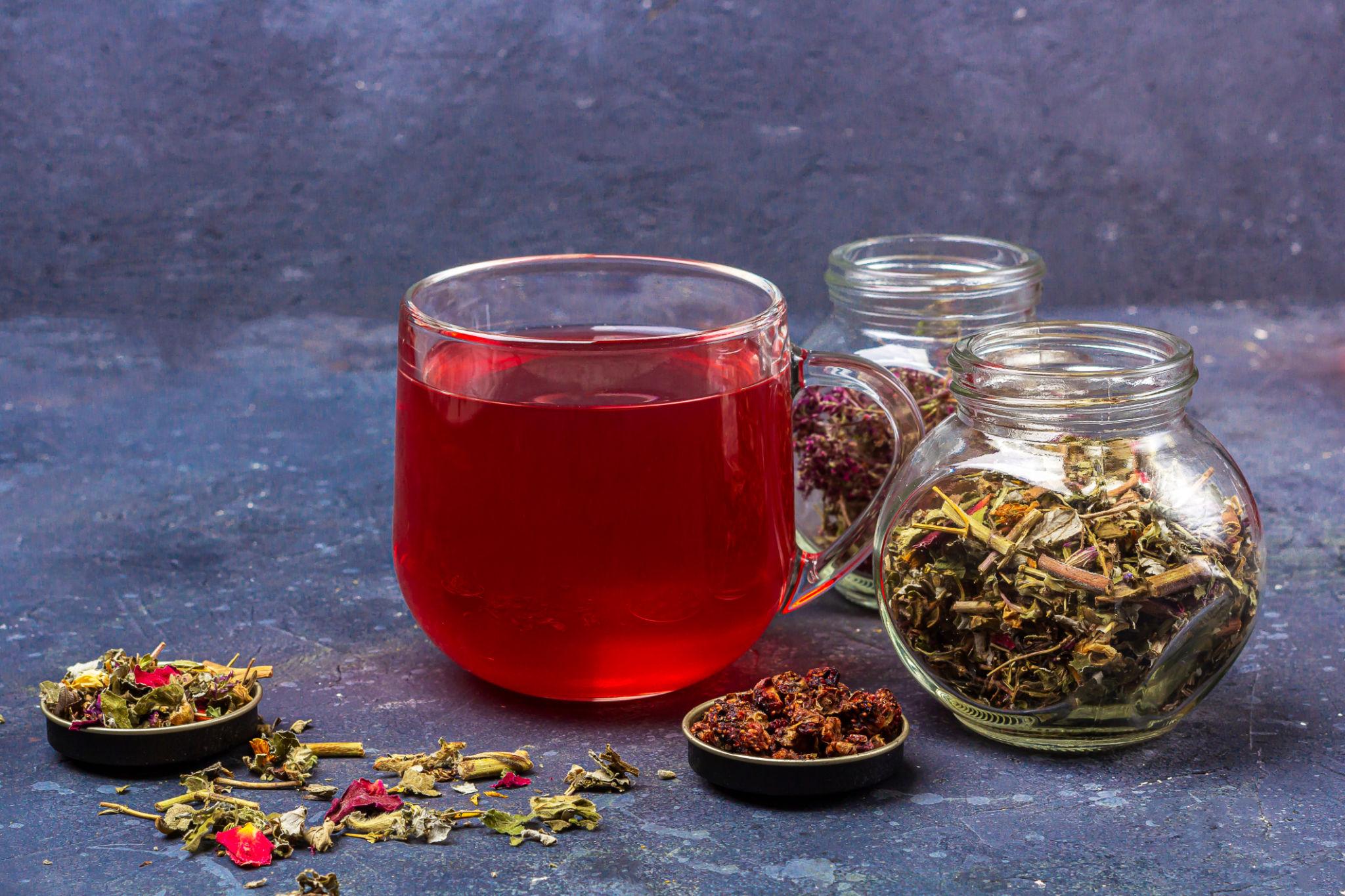
    Herbal teas are technically not “true” teas because they are not made from Camellia sinensis. Instead, they are infusions of herbs, flowers, spices, or fruits.

    Common Types:
    Chamomile, peppermint, hibiscus, rooibos, ginger.

    Flavor Profile:
    Varies widely — floral, minty, fruity, spicy.

    Caffeine Level:
    Usually caffeine-free (always check the label).

    Best For:
    Evening relaxation or caffeine-sensitive individuals.


    Why Processing Matters

    The key difference between green, black, oolong, and white tea is oxidation — a natural chemical reaction that occurs when leaves are exposed to air. The level of oxidation changes flavor, color, and strength.

    Understanding this helps you choose the right tea for your taste preferences and daily needs.


    How to Choose as a Beginner

    • Want something light and fresh? Try green or white tea.
    • Prefer bold and strong? Choose black tea.
    • Looking for complexity? Explore oolong.
    • Avoiding caffeine? Herbal teas are ideal.

    Exploring tea is about discovering what suits your palate and routine. Start simple, experiment gradually, and pay attention to how each type tastes and makes you feel.
  • A Beginner’s Guide to Brewing Earth Tea for Maximum Nutrients and Taste

    A Beginner’s Guide to Brewing Earth Tea for Maximum Nutrients and Taste

    Brewing tea may seem simple — just add hot water and wait. But the way you prepare Earth Tea directly affects its flavor, aroma, and nutritional value.

    Temperature, timing, water quality, and leaf quantity all influence what ends up in your cup. This beginner’s guide will help you extract the best taste and maximum benefits from every brew.


    1. Start with Quality Water

    https://images.openai.com/static-rsc-3/oou3lvgy5Ah4k8LdRsS5FQi0I7IE6n_llZ4HZD9DBAY_oU-4WKrI4MGl83n54XSeSopWEbx4A4nKxPyp48yTLb-HVWSJB4CSQsGC85BC-N8?purpose=fullsize&v=1
    https://images.openai.com/static-rsc-3/04r5Gbm9k6vRY-POqE5JLRqFZXjFSu7IWv5VZy4ds0cBfm_s7HX4MyzyH0PzTNsJmNWSJSXcRe-vcILFb5jCPr-YlxwTH-w1v1SVS0a3XTY?purpose=fullsize&v=1
    https://images.openai.com/static-rsc-3/qDItm_u6xlxkDtrM63Wtd09EX3GgQHGAiYE8cgb1V2p2jnXSta6UioKK3LrIsUa8_2wIwmBJ9Ld7y2P1Ol2ia8Mgn-k-m3mVQQN1Yn61i-o?purpose=fullsize&v=1

    4

    Tea is mostly water — so water quality matters.

    • Use filtered or spring water when possible.
    • Avoid distilled water (it can make tea taste flat).
    • Avoid heavily chlorinated tap water, which can mute delicate flavors.

    Freshly drawn water with balanced mineral content enhances sweetness and clarity.


    2. Measure the Right Amount of Tea

    Too little tea creates weak flavor. Too much can cause bitterness.

    General beginner guideline:

    • 1 teaspoon (about 2–3 grams) of loose leaf tea
    • 1 cup (240 ml) of water

    If using whole-leaf Earth Tea, you may notice the leaves expand significantly — give them space in a teapot or infuser.


    3. Control the Water Temperature

    https://m.media-amazon.com/images/I/811gFj9ATCL._AC_UF350%2C350_QL80_.jpg
    https://images.openai.com/static-rsc-3/aHN6u-z5vxh6c8qWtwaRHDJ44NmQHpLjMDpFk7-rwZoYwV-xbdkNV7MqdncugNn9xCBLIr5N6aPQ9mkcboddtO9TCyrIEbCeodqaEi3Cq2g?purpose=fullsize&v=1
    https://images.openai.com/static-rsc-3/0_XHM09T83iNzeaypzBUqVVp1rC7AkFPZupaV1F8tCSNr8PEaNlwoxOXGY3yLRFATltPg01k-7WFWjdS5KxdyZOs65GJMvDc_u_uyrnwrlM?purpose=fullsize&v=1

    4

    Temperature is one of the most important factors for both taste and nutrients.

    Green or Light Herbal Earth Teas

    70–80°C (158–176°F)
    Preserves delicate antioxidants and prevents bitterness.

    Oolong or Medium Oxidized Teas

    80–90°C (176–194°F)
    Enhances aroma without over-extracting tannins.

    Black or Dark Earth Teas

    90–100°C (194–212°F)
    Hotter water extracts fuller body and deeper flavors.

    Boiling water is not always best — overheating can destroy subtle aromatics and increase astringency.


    4. Steep for the Right Time

    https://m.media-amazon.com/images/I/81B9p2rURRL._AC_UF350%2C350_QL80_.jpg
    https://images.openai.com/static-rsc-3/QKTq2BCDAGP5pLf-IC9w9LYTvP_4qSU78X6TgDLesMs89k2g39BZLt01IuL3JCYKiiuq8tDeAszGsDrdNvsSPyB4-iSeXJx2PZeVSGLXoKM?purpose=fullsize&v=1
    https://images.openai.com/static-rsc-3/8-WgWRelDQKhVT_KW3pt5dT2Gt0S9uDWUO2dXMbqczspIPBh_ZgnZMXbw8pgeALmVx0EY60OnDUdw824yC5IcgdNLUlTI_wHmE2dyKlKry4?purpose=fullsize&v=1

    4

    Steeping time controls strength and nutrient extraction.

    • Green tea: 2–3 minutes
    • Oolong: 3–4 minutes
    • Black tea: 3–5 minutes
    • Herbal blends: 5–7 minutes

    Shorter steeping = lighter flavor.
    Longer steeping = stronger flavor (and sometimes more bitterness).

    If unsure, start shorter. You can always steep longer next time.


    5. Cover While Steeping

    Covering your cup or teapot helps retain volatile oils — the compounds responsible for aroma and some beneficial plant compounds.

    This small step makes a noticeable difference in both flavor intensity and nutrient preservation.


    6. Re-Steep for More Value

    High-quality Earth Tea leaves can often be infused multiple times.

    • Second infusion: slightly hotter water, slightly longer steep
    • Flavor may become smoother and more layered

    Multiple infusions allow you to extract different compounds gradually rather than all at once.


    7. Drink at the Right Temperature

    Extremely hot tea can mask subtle flavors. Allow your tea to cool slightly before sipping.

    As it cools, sweetness and aromatic complexity become more noticeable.


    Common Beginner Mistakes

    • Using boiling water for all teas
    • Steeping too long
    • Squeezing tea bags aggressively (releases excess bitterness)
    • Using low-quality water
    • Not measuring leaves

    Avoiding these simple mistakes dramatically improves both taste and nutrient retention.


    The Ritual Matters

    Brewing Earth Tea is not only about chemistry — it’s about attention.

    When you measure carefully, heat water intentionally, and steep with patience, you respect the soil, climate, and harvest that shaped the leaves. That respect translates into a better cup.

    Start simple. Adjust slowly. Taste mindfully.

    Over time, you’ll discover the exact brewing style that brings out the best in your Earth Tea — both in flavor and in nourishment.

  • How Soil, Climate, and Harvesting Methods Shape Earth Tea’s Flavor

    How Soil, Climate, and Harvesting Methods Shape Earth Tea’s Flavor

    How Soil, Climate, and Harvesting Methods Shape Earth Tea’s Flavor

    When we talk about exceptional tea, most people focus on aroma or brewing technique. But long before water touches the leaves, flavor is already being shaped in the earth itself.

    Soil composition, climate conditions, and harvesting practices all influence how Earth Tea tastes in your cup. Understanding these elements helps you appreciate why no two harvests are ever exactly the same.


    1. Soil: The Foundation of Flavor

    https://images.openai.com/static-rsc-3/XJff5uBfKYkY3aBUFtQMx-vOaJ1WE1npzcB5K-M4OLFhb_v8RUrO-LSwU9639LVPE8izdP_Txh7AFJbrg_ZbxwPQXPNe0fd4rtSWTr0zmZY?purpose=fullsize&v=1
    https://www.shizuokatea.com/cdn/shop/articles/Kagoshima-Tea-and-How-Volcanic-Soil-is-Good-For-Tea_439c15d5-f039-4363-9149-1d96913f2498_720x.jpg?v=1769904194
    https://backyardbrew.com/cdn/shop/articles/Organic_Tea_Farming_Practices.png?v=1742834853

    4

    Tea plants are deeply connected to the soil they grow in. The mineral content, structure, and organic matter all affect the chemical compounds that develop in the leaves.

    Mineral Composition

    Soils rich in minerals like potassium, magnesium, and iron can subtly influence sweetness, body, and complexity. Volcanic soils, for example, are often associated with teas that have brighter acidity and layered depth.

    Organic Matter

    Healthy soil contains decomposed plant material and microorganisms. This living ecosystem supports strong root development and nutrient absorption, which contributes to richer flavor and smoother mouthfeel.

    Drainage and Structure

    Tea plants prefer well-draining soil. Too much retained water can stress the roots and alter leaf chemistry. Balanced drainage allows the plant to develop nuanced flavor compounds rather than harsh bitterness.

    Why it matters: The soil determines the plant’s nutritional environment — and that environment becomes part of the tea’s character.


    2. Climate: The Invisible Sculptor

    https://images.openai.com/static-rsc-3/UpnCCsiBuYvsw1xAmQItfeRcIeTdXXXKhfyB-MwcVkO-s19s_DFO2aAbshhRs84PK4qqDTRZ4i8TutlvTBcOLA3Egh2PRIEafDPJvwq7HEg?purpose=fullsize&v=1
    https://www.herbsandkettles.com/cdn/shop/articles/high-mountain-tea-plantation-that-are-growing-in-high-altitudes_1024x1024.jpg?v=1695796866
    https://images.openai.com/static-rsc-3/dRcV21WjBLSYuTtzdY2cZyFppuk0CJpC9g_qkM33I150cvE-G4_gshBq_XX_kJ8WqTL0fKiFGA_YH3huIY7nBmYR07nK7ktzhOe2Qyeq40I?purpose=fullsize&v=1

    4

    Climate shapes how quickly tea plants grow and how concentrated their flavor compounds become.

    Altitude

    Higher elevations typically produce slower-growing plants. Slow growth allows more complex aromatic compounds to form, resulting in teas with floral notes, crispness, and elegance.

    Temperature

    Cooler temperatures often reduce bitterness and enhance sweetness. Extreme heat can accelerate growth but sometimes at the expense of flavor complexity.

    Rainfall & Humidity

    Consistent rainfall helps maintain leaf tenderness. However, too much rain can dilute flavors, while mild environmental stress (like short dry periods) can concentrate them.

    Why it matters: Climate determines growth rhythm — and growth rhythm determines intensity and balance.


    3. Harvesting Methods: Timing Is Everything

    https://images.openai.com/static-rsc-3/QMAqmYKNzwC0jbTn7irk9aWmTPHsQWHdByMadQqXTnzuHQMbb24sUEF0_FqOqlMvSk8ruN5KzNotP9K3PkK-it6P5BNsALLDKj5Wnf71iaw?purpose=fullsize&v=1
    https://images.openai.com/static-rsc-3/Wq1uoIsnzdeF48Vwobzy7PtaIgsg73e53t6DB4MGDCfWQuF-3T0bvWN2BjxtgWw0osZfIht5NzZCeW0zqFC_R55i6SMqAsjbnrmdMU9zyzk?purpose=fullsize&v=1
    https://images.openai.com/static-rsc-3/SM0DAefXChwO50u_U9riUw4LwYosRuL6YsfEik7rpf47r5K8CB57OA1RRCNpgqKKFE4CJ8kxUvldPHn8HCQ3mVgAMZBRnascLIppCRJ5PMU?purpose=fullsize&v=1

    4

    Even the richest soil and ideal climate cannot compensate for poor harvesting decisions.

    Timing of Harvest

    Young leaves and buds tend to produce lighter, sweeter, more aromatic teas. Older leaves may create stronger body but can introduce bitterness.

    Seasonal Flushes

    The first harvest of the season often carries delicate floral and fresh green notes. Later harvests can become fuller, earthier, and more robust.

    Hand-Picking vs. Mechanical Harvesting

    Careful hand-plucking (“two leaves and a bud”) ensures uniformity and quality. Mechanical harvesting increases efficiency but may collect leaves at mixed maturity levels, affecting consistency.

    Why it matters: Harvesting defines the final raw material. Precision at this stage preserves the expression of soil and climate.


    The Harmony of Terroir

    In the world of tea, the concept of terroir — the complete natural environment in which a plant grows — is essential. Earth Tea’s flavor is never accidental. It is the result of:

    • Nutrient-rich soil
    • Balanced climate conditions
    • Thoughtful harvesting practices

    Every cup reflects a landscape, a season, and human care.

    When you taste subtle sweetness, layered earthiness, or gentle floral notes, you’re tasting more than leaves — you’re tasting the story of where and how they were grown.

  • كيف غيّرت التكنولوجيا أسلوب حياتنا اليومي؟

    لم تعد التكنولوجيا مجرد أدوات نستخدمها عند الحاجة، بل أصبحت جزءًا أساسيًا من تفاصيل حياتنا اليومية. من اللحظة التي نستيقظ فيها وحتى نخلد إلى النوم، نتفاعل مع الهواتف الذكية، والإنترنت، والتطبيقات المختلفة بشكل شبه دائم.

    في الماضي، كانت المهام البسيطة مثل دفع الفواتير أو التواصل مع الأصدقاء تتطلب وقتًا وجهدًا كبيرين. أما اليوم، فبضغطة زر واحدة يمكننا إنجاز هذه الأمور في ثوانٍ معدودة. هذا التطور لم يوفر الوقت فقط، بل غيّر أيضًا طريقة تفكيرنا وتعاملنا مع العالم من حولنا.

    التكنولوجيا أثّرت بشكل واضح على العمل والتعليم. العمل عن بُعد أصبح خيارًا شائعًا، والتعليم الإلكتروني فتح أبواب المعرفة أمام ملايين الأشخاص حول العالم. لم يعد المكان عائقًا، وأصبحت الفرص متاحة لمن يملك اتصالًا بالإنترنت ورغبة في التعلم.

    ورغم كل هذه الإيجابيات، لا يمكن تجاهل التحديات. الإدمان على الشاشات، وقلة الحركة، وضعف التواصل الاجتماعي الحقيقي أصبحت مشكلات تحتاج إلى وعي وتنظيم. التوازن بين استخدام التكنولوجيا والاستمتاع بالحياة الواقعية هو المفتاح لحياة صحية ومستقرة.

    في النهاية، التكنولوجيا أداة قوية، والطريقة التي نستخدمها بها هي التي تحدد إن كانت ستضيف قيمة حقيقية لحياتنا أم لا.

  • Test Blog

    Test Blog

    alot of crap here alot of crap herealot of crap herealot of crap herealot of crap herealot of crap herealot of crap herealot of crap herealot of crap herealot of crap herealot of crap herealot of crap herealot of crap herealot of crap herealot of crap here

  • Hello world!

    Welcome to WordPress. This is your first post. Edit or delete it, then start writing!

    Reviews

    Jayla H.

    “I’ve been a loyal customer for years, and for good reason. The customer service is top-notch, and the products are always reliable.”

    Scott F.

    “I recently purchased a smart TV, and I couldn’t be happier with my purchase. The staff was friendly and helpful, answering all of my questions.”