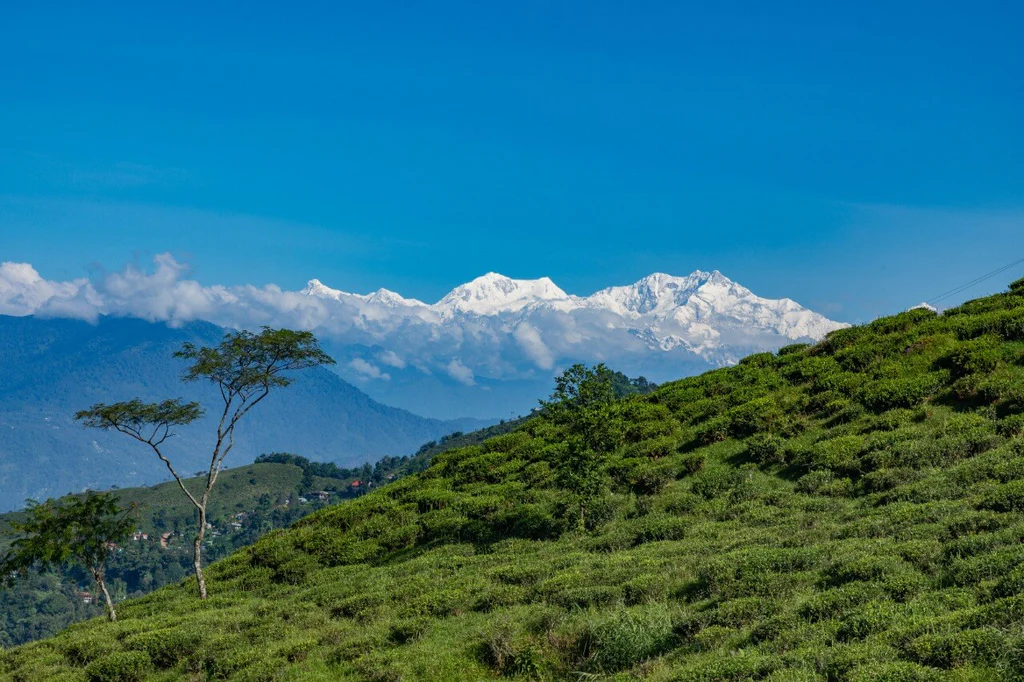
How Soil, Climate, and Harvesting Methods Shape Earth Tea’s Flavor
When we talk about exceptional tea, most people focus on aroma or brewing technique. But long before water touches the leaves, flavor is already being shaped in the earth itself.
Soil composition, climate conditions, and harvesting practices all influence how Earth Tea tastes in your cup. Understanding these elements helps you appreciate why no two harvests are ever exactly the same.
1. Soil: The Foundation of Flavor

4
Tea plants are deeply connected to the soil they grow in. The mineral content, structure, and organic matter all affect the chemical compounds that develop in the leaves.
Mineral Composition
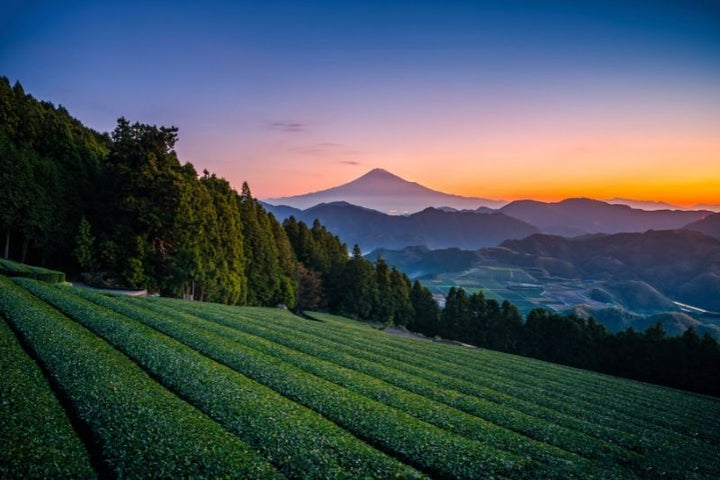
Soils rich in minerals like potassium, magnesium, and iron can subtly influence sweetness, body, and complexity. Volcanic soils, for example, are often associated with teas that have brighter acidity and layered depth.
Organic Matter
Healthy soil contains decomposed plant material and microorganisms. This living ecosystem supports strong root development and nutrient absorption, which contributes to richer flavor and smoother mouthfeel.
Drainage and Structure
Tea plants prefer well-draining soil. Too much retained water can stress the roots and alter leaf chemistry. Balanced drainage allows the plant to develop nuanced flavor compounds rather than harsh bitterness.
Why it matters: The soil determines the plant’s nutritional environment — and that environment becomes part of the tea’s character.
2. Climate: The Invisible Sculptor


4
Climate shapes how quickly tea plants grow and how concentrated their flavor compounds become.
Altitude
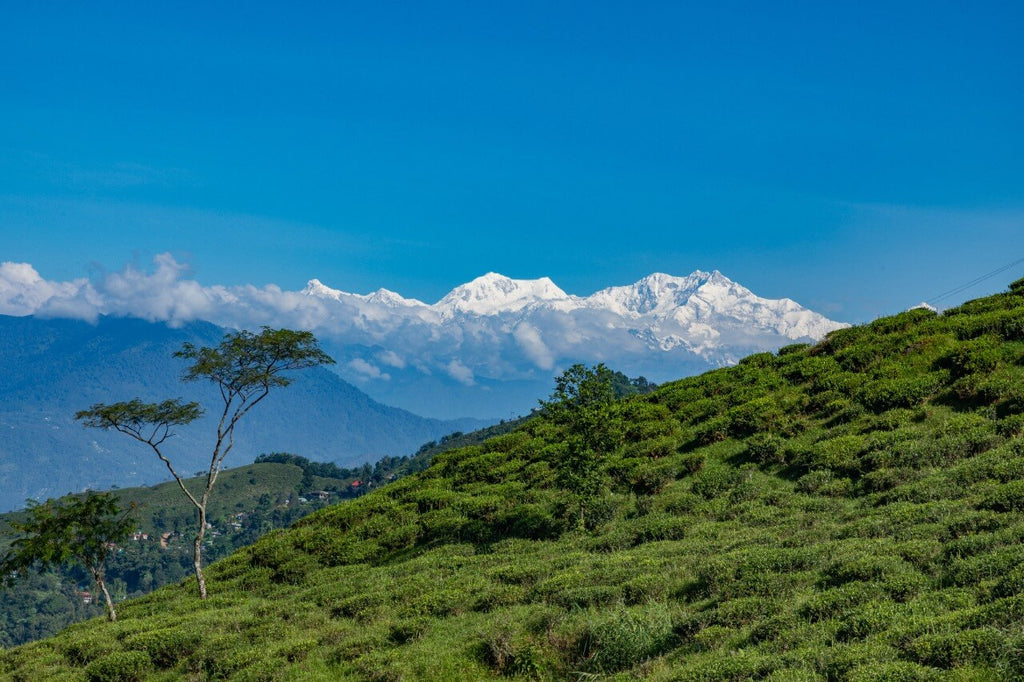
Higher elevations typically produce slower-growing plants. Slow growth allows more complex aromatic compounds to form, resulting in teas with floral notes, crispness, and elegance.
Temperature
Cooler temperatures often reduce bitterness and enhance sweetness. Extreme heat can accelerate growth but sometimes at the expense of flavor complexity.
Rainfall & Humidity
Consistent rainfall helps maintain leaf tenderness. However, too much rain can dilute flavors, while mild environmental stress (like short dry periods) can concentrate them.
Why it matters: Climate determines growth rhythm — and growth rhythm determines intensity and balance.
3. Harvesting Methods: Timing Is Everything


4
Even the richest soil and ideal climate cannot compensate for poor harvesting decisions.
Timing of Harvest
Young leaves and buds tend to produce lighter, sweeter, more aromatic teas. Older leaves may create stronger body but can introduce bitterness.
Seasonal Flushes
The first harvest of the season often carries delicate floral and fresh green notes. Later harvests can become fuller, earthier, and more robust.
Hand-Picking vs. Mechanical Harvesting
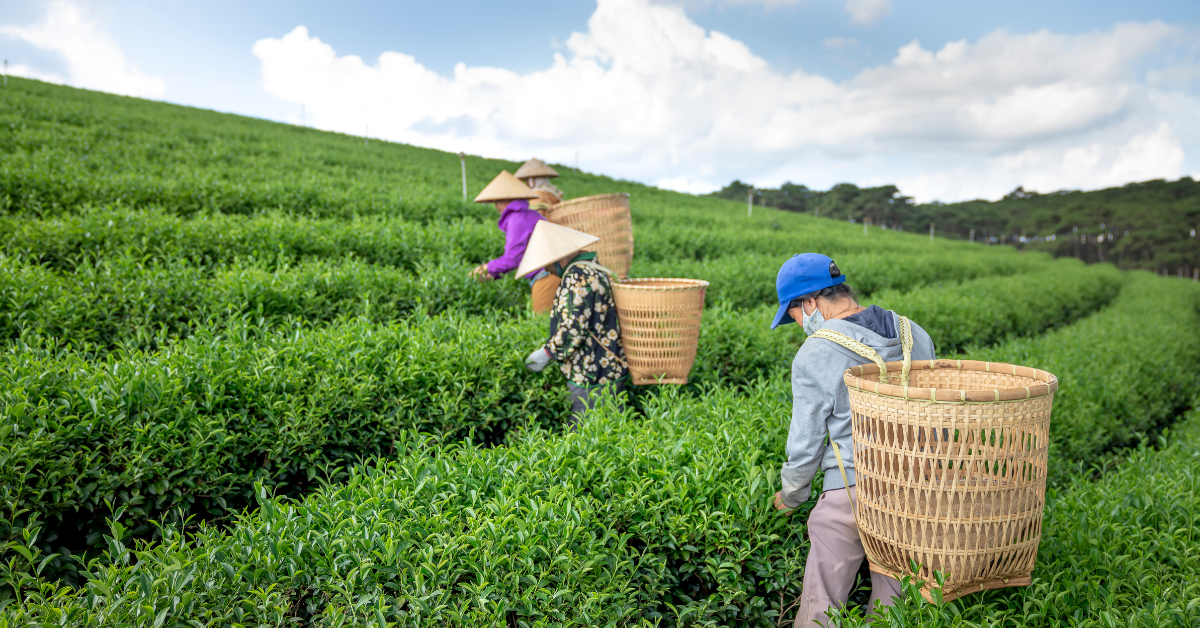
Careful hand-plucking (“two leaves and a bud”) ensures uniformity and quality. Mechanical harvesting increases efficiency but may collect leaves at mixed maturity levels, affecting consistency.
Why it matters: Harvesting defines the final raw material. Precision at this stage preserves the expression of soil and climate.
The Harmony of Terroir
In the world of tea, the concept of terroir — the complete natural environment in which a plant grows — is essential. Earth Tea’s flavor is never accidental. It is the result of:
- Nutrient-rich soil
- Balanced climate conditions
- Thoughtful harvesting practices
Every cup reflects a landscape, a season, and human care.
When you taste subtle sweetness, layered earthiness, or gentle floral notes, you’re tasting more than leaves — you’re tasting the story of where and how they were grown.
Leave a Reply