Understanding Different Types of Tea: A Beginner’s Guide to Green, Black, Oolong, and Herbal Teas
Tea is one of the most widely consumed beverages in the world — yet many beginners don’t realize that most traditional teas come from the same plant: Camellia sinensis. What makes them different is how the leaves are processed after harvesting.
This guide explains the main categories of tea and how they differ in flavor, caffeine content, and preparation.
1. Green Tea


4
Processing:
Green tea leaves are quickly heated after harvesting to prevent oxidation. This helps preserve their natural green color and fresh taste.
Flavor Profile:
Light, grassy, vegetal, sometimes slightly sweet or nutty.
Caffeine Level:
Moderate (less than black tea, more than most herbal teas).
Best For:
Those who prefer a clean, refreshing taste and lighter body.
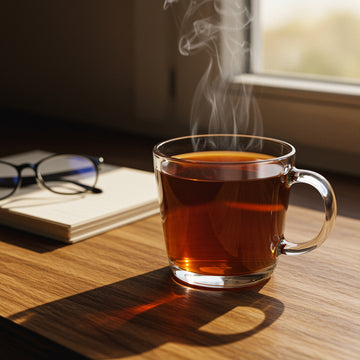
2. Black Tea


4
Processing:
Black tea is fully oxidized. The leaves darken and develop stronger flavors.
Flavor Profile:
Bold, rich, sometimes malty, fruity, or smoky.
Caffeine Level:
Higher than green tea.
Best For:
People who enjoy stronger flavor or need a more energizing cup.
3. Oolong Tea


4
Processing:
Oolong tea is partially oxidized — somewhere between green and black tea.
Flavor Profile:
Complex and layered. Can range from floral and light to roasted and creamy.
Caffeine Level:
Moderate.
Best For:
Those who want a balance between freshness and depth.
4. White Tea


4
Processing:
Minimally processed and lightly dried. Often made from young buds.
Flavor Profile:
Delicate, subtle, slightly sweet.
Caffeine Level:
Generally lower than green and black tea (though it varies).
Best For:
Those who prefer very gentle flavor.
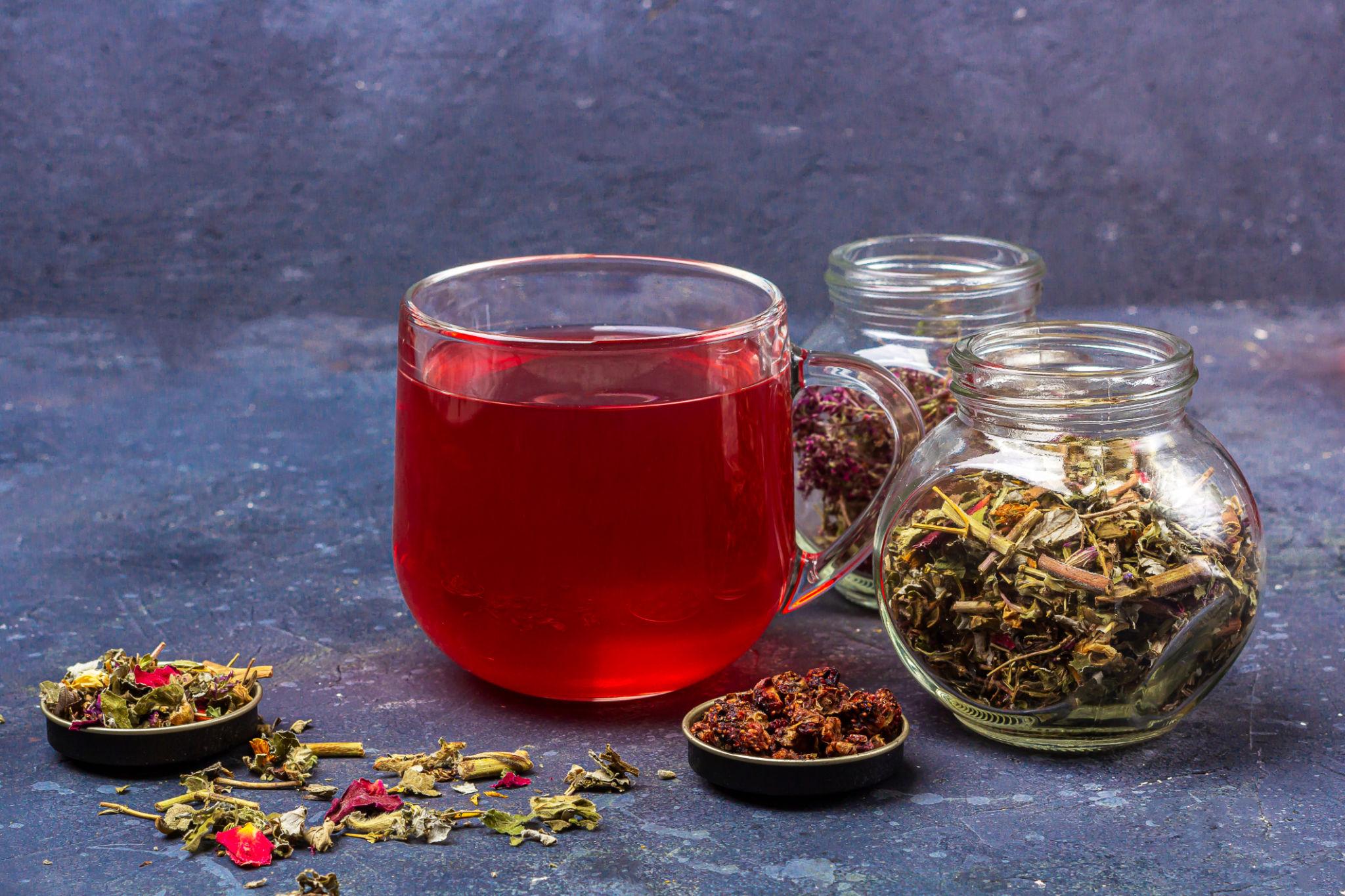
5. Herbal Teas (Tisanes)


4
Herbal teas are technically not “true” teas because they are not made from Camellia sinensis. Instead, they are infusions of herbs, flowers, spices, or fruits.
Common Types:
Chamomile, peppermint, hibiscus, rooibos, ginger.
Flavor Profile:
Varies widely — floral, minty, fruity, spicy.
Caffeine Level:
Usually caffeine-free (always check the label).
Best For:
Evening relaxation or caffeine-sensitive individuals.
Why Processing Matters
The key difference between green, black, oolong, and white tea is oxidation — a natural chemical reaction that occurs when leaves are exposed to air. The level of oxidation changes flavor, color, and strength.
Understanding this helps you choose the right tea for your taste preferences and daily needs.
How to Choose as a Beginner
- Want something light and fresh? Try green or white tea.
- Prefer bold and strong? Choose black tea.
- Looking for complexity? Explore oolong.
- Avoiding caffeine? Herbal teas are ideal.
Exploring tea is about discovering what suits your palate and routine. Start simple, experiment gradually, and pay attention to how each type tastes and makes you feel.
Leave a Reply